Your facility needs regular sanitation protocols customized for unique hazards, processing volumes, allergen management, and regulatory visits, with verifiable documentation confirming HACCP requirements, inspection compliance, and public health regulations. The information following give details about essential cleaning protocols.
Key Takeaways
- Brampton sanitation experts maintain restaurants, grocery departments, commissaries, warehouses, bakeries, schools, mobile vendors, and allergen-sensitive operations.
- Sectional methods sanitize frequently contacted areas, food-contact equipment, kitchens, floors, drains, restrooms, and storage areas for avoiding cross-contamination.
- Validation of proper chemical concentration, alignment, and contact time is completed by trained providers, with conclusion filed using checks, assessments, and corrective-action records.
- Cleaning calendars need to follow risk, production volume, format changes, incidents, and requirements, with everyday, periodic, and seasonal duties allocated by location.
- Providers ought to exhibit hazard analysis knowledge, public-health expertise, WHMIS preparation, coverage, testimonials, color-categorized implements, and compliance-ready maintenance files.
Brampton Facilities That Need Food Safety Cleaning: Which Ones?
Food safety cleaning is essential for any Brampton facility that deals with, keeps, prepares, packages, or provides food. Apply it to your facility if it meets the criteria for health inspections, food codes, or HACCP requirements. This includes food service venues, employee dining, supply facilities, retail sections, butcheries, seafood counters, retail shops, and facility kitchens.
You also need proper hygiene cleaning in warehouses, food manufacturing plants, cold storage sites, retail bakeries, school nutrition programs, banquet halls, and meal delivery hubs. Portable and seasonal businesses count too, including catering vehicles, market vendors, and seasonal stalls. If your staff handle ingredients, section prepared foods, heat finished items, or keep allergens stored, your facility needs documented cleaning protocols. In Brampton, hygiene isn't optional; it's part of lawful, functional, and customer safety adherence.
What Do Brampton Cleaning Experts Clean?
Your facility requires professional cleaners who disinfect frequently contacted surfaces, kitchens, all floor types, and restrooms for food safety and health code adherence. These zones receive attention due to their elevated cross-contamination potential, hazardous walking conditions, and breaches of sanitation codes.
Understanding their cleaning procedures enables you to validate your operation's sanitation satisfies required standards and regulations.
Cleaning High-Touch Points
Addressing high-touch surface sanitizing is vital for Brampton sanitation experts because contact points can distribute pathogens and contaminants within a location. You should establish a documented schedule for disinfecting door handles, push plates, switches, railings, shared equipment controls, POS terminals, and refrigerator pulls. Using contact point analysis, teams identify every commonly touched area and assign cleaning intervals
when outcomes fall beyond required limits. They also reduce secondary contamination by replacing towels, following one-way workflows
Food Prep Areas, Flooring, and Sanitary Facilities
Brampton cleaning professionals will address kitchens, floors, and restrooms since each space presents separate food safety concerns, injury, and community health challenges. In industrial kitchens, you need degreasing on cook lines, equipment exteriors, drains, prep surfaces, and splash zones to minimize contamination and pest pressure.
Floor care that is documented should equally be anticipated. Technicians clean and remove buildup from grout, tile, and vinyl flooring, then apply appropriate drying controls so you can reduce slip incidents and meet regulatory standards. They also address entryways where moisture and debris migrate indoors.
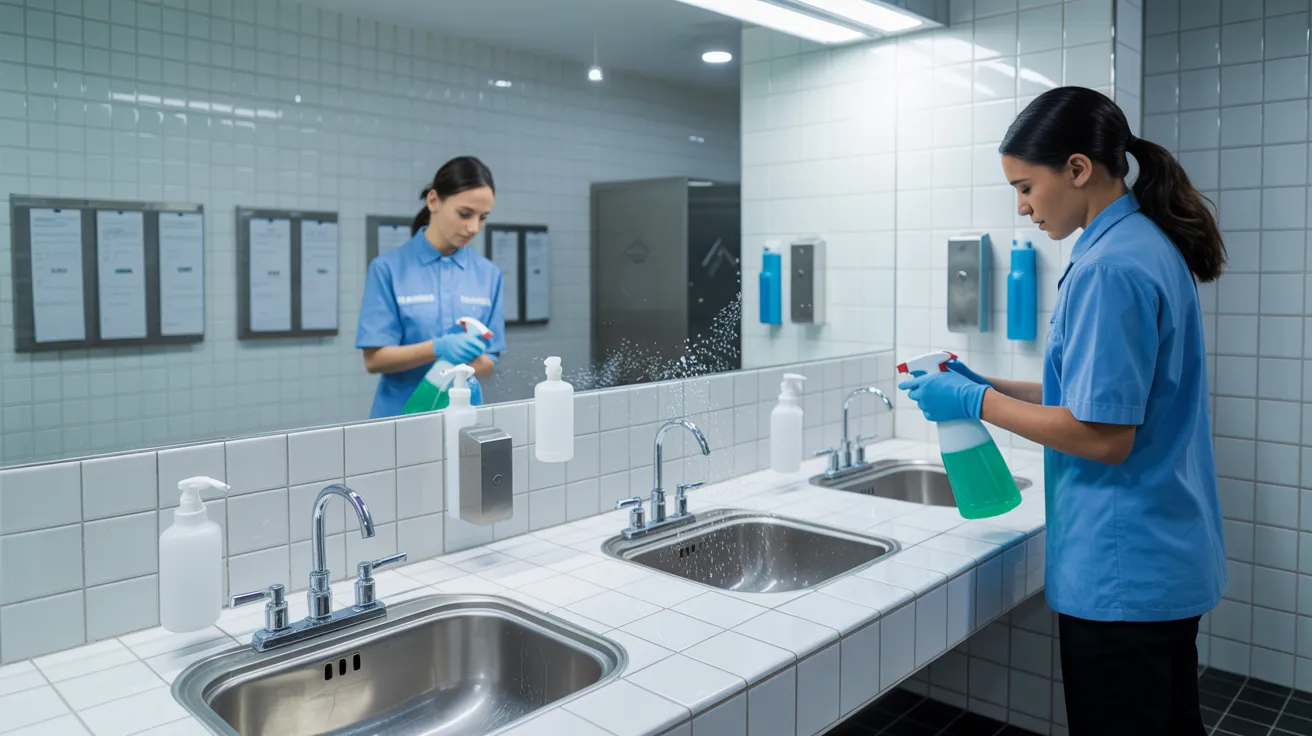
Restroom sanitation involves disinfecting surfaces, fittings, separators, dispensers, and containers, restocking supplies and controlling odours. They also maintain restaurant cleaning supply rooms where product storage, sink cleanliness, and drain systems impact daily sanitation standards and worker protection.
Food Safety Cleaning Significance for Brampton Businesses
In Brampton, you must copyright food-safe cleaning standards to satisfy regulatory standards and achieve compliance. You also minimize bacterial spread through proper cleaning of food-preparation surfaces, appliances, and frequently-touched items. Most importantly, you safeguard community wellness by reducing the chance of food poisoning in your establishment.
Regulatory Code Requirements
Food operations in Brampton face strict public health standards, making food safety cleaning critical to fulfilling health code requirements, defending patrons, and avoiding enforcement action. You must maintain sanitized food contact points, documented cleaning schedules, safe chemical management, and traceable training practices that align with municipal and provincial inspection expectations.
When cleaning standards weaken, notices, compliance orders, loss of reputation, and service interruption from subsequent audits or enforcement reviews become threats.
Contamination Prevention
Following regulatory requirements depends on your skill in stopping cross-contamination in daily food handling and cleaning. You should isolate raw items from prepared foods, disinfect work areas after use, and store chemicals away from food-contact items. Clear procedures reduce transfer risks and support consistent compliance during inspections.
Implementing allergen segregation helps keep priority allergens from contacting communal work zones, bins, or devices. Utilize separate boards, color-labeled items, and strict utensil labeling so workers don't combine products during preparation or service. Require handwashing after handling raw meat, seafood, eggs, or allergen-containing products. Replace wiping cloths regularly, and validate learn the facts disinfectant levels using test strips. When your team learns these guidelines per shift, you establish a more hygienic, safer workplace that meets Brampton's food safety expectations regularly.
Community Health Protection
If food safety cleaning deteriorates, you don't merely face potential inspection issues—you amplify the risk of foodborne illness affecting customers, staff, and the broader Brampton region. You also weaken your role in protecting public health, especially in high-traffic food premises where pathogens travel quickly through surfaces, equipment, and touchpoints.
You need cleaning protocols that eliminate soils, sanitize effectively, and validate outcomes. This involves maintaining contact periods, selecting approved disinfectants, logging schedules, and coaching employees to meet regulatory requirements. These controls promote illness spread by minimizing pathogens before contaminating food or hands. Throughout Brampton, strong cleaning safeguards susceptible populations, reduces outbreak risk, and demonstrates accountability. When you follow proper protocols, you exceed regulations—you mitigate risk and facilitate secure food handling throughout the area.
How Can Cleaning Practices Ensure Food Safety Compliance?
Maintaining rigorous cleaning routines supports food safety compliance by lowering contamination exposure, limiting pathogen development, and keeping your facility compliant with sanitation requirements under HACCP-based programs and public health regulations. You ensure that food-contact surfaces remain visibly clean and microbiologically controlled, enabling documented preventive controls and inspection readiness.
Cleaning efforts additionally upgrade allergen control by removing residues that can trigger undeclared allergen exposure.
Finding When to Plan Commercial Cleaning
surfaces can collect contamination
Drains, ventilation systems, storage racks, and difficult-to-access areas call for weekly or monthly attention, informed by inspection data and sanitation logs.
Selecting the Right Brampton Cleaning Experts: Key Considerations
Screen providers initially by their food-safe sanitation requirements—not budget alone. You need to confirm that every company meets CFIA, public health, and HACCP standards for your operation. Demand proof of insurance, WHMIS compliance, training records, and management systems. Evaluate technician understanding of contamination dangers, chemical safety, and documented sanitation practices.
You should further examine service consistency and answerability. Request references from food facilities in Brampton, then review reply speed, corrective action plans, and communication standards. Validate the company facilitates supplier audits and can present inspection-ready documentation to authorities or external parties. Confirm equipment is maintained, colour-coded tools are used appropriately, and facility-specific risks are recognized. A qualified provider protects compliance, product quality, and your brand reputation.
What's covered in a Food Safety Cleaning Plan?
Document a plan that outlines every sanitation activity, guideline, and role before production begins. You should include cleaning frequencies, approved chemicals, dilution rates, contact times, tools, and verification methods for each area, surface, and device. Ensure you include pre-operational inspections, corrective actions, and employee training requirements.
Your plan should also cover contamination prevention, garbage management, pest control procedures, and recorded timelines for bathrooms, drainage systems, surfaces, and food-preparation zones. Detail how you'll keep raw and prepared foods apart, enable ingredient tracking, and maintain accurate allergen labeling through validated cleaning between product changes. You should assign accountability, keep signed records, and review results against regulatory standards, HACCP controls, and customer requirements. When gaps appear, update procedures immediately and retrain staff.
Commonly Asked Inquiries
Do cleaning services operate during overnight shifts at Brampton facilities?
Yes, you can book cleaning services to support nighttime operations in Brampton facilities. You'll organize overnight sanitation around operational windows, access controls, and personnel needs. Providers typically establish nightshift procedures to reduce disruption, ensure compliance, and record finished work. You should confirm arrival timeframes, supervision, access protocols, and disposal methods before beginning service. If you operate regulated spaces, you'll also need documentation that support inspections and internal quality assurance.
Will Brampton cleaning experts address emergency spills?
Yes, you can locate Brampton cleaning professionals providing spill response services. They handle hazardous incidents, evaluate risks, isolate contamination, and begin swift decontamination to minimize exposure and avoid operational impact. You should confirm timeframes, certifications, PPE measures, and disposal methods. If your facility must meet compliance standards, select a service that tracks incidents, adheres to standards, and ensures audit compliance.
Do plant-based disinfectants work safely on food-contact surfaces?
In essence, plant-based sanitizers remain safe for food-handling equipment provided you buy items marked food-safe that meet regulatory compliant. Confirm exposure duration, dilution ratios, and rinse requirements prior to application. Natural-based solutions lower chemical hazards, although you should obtain confirmation of performance against target microorganisms. To keep residue-free areas, follow precise manufacturer instructions and confirm the disinfectant meets relevant food safety standards.
Will cleaning plans adapt to production fluctuations?
Without question, cleaning plans adapt well for seasonal production changes. Adapt timing, staff levels, disinfectants, and verification steps to align with seasonal patterns while maintaining regulatory compliance. Lower equipment downtime by timing cleaning surrounding production shifts, peak seasons, and operational patterns. Additionally revise SSOPs, training, and environmental monitoring to account for temporary risks, emerging allergens, or increased soil loads. Consistent reviews maintain your plan efficient.
Will commercial cleaners train your staff on hygiene best practices?
Certainly, commercial cleaners coach your employees on sanitation best practices. You obtain staff training on proper chemical use, contact times, contamination control, equipment disassembly, and documentation procedures. They typically align coaching with HACCP, GMP, and CFIA or regional health bodies standards. Many execute health assessments to verify compliance, uncover shortcomings, and strengthen corrective measures. This enables you to maintain consistent procedures, pass inspections, and minimize foodborne pathogen risks every day.
Conclusion
Through engaging Brampton commercial cleaning and food safety experts, you accomplish much beyond organizing—you keep your operation prepared for inspections and your standards meet requirements. From kitchen spaces to processing areas, all maintained surfaces and organized zones help prevent pest problems and avoid major losses. Through scheduling maintenance at proper intervals and sticking to a solid cleaning plan, you safeguard your team, your patrons, and your good name. In a tightly controlled regulatory landscape, proper sanitation must be a priority—they are fundamental to success.
Comments on “MWAC Food Safety Solutions”